BOFENG Machinery have specialized in producing and exporting Machining Equipment


News Center
Contact us
 +86-510-85121486
 No.555-1023,Liangqing Road, Binhu District, Wuxi, China. PC: 214063
Related News
Gantry CNC milling machine safety operating guide
As a high-precision and high-efficiency CNC processing equipment, gantry CNC milling machine is widely used in machinery manufacturing, aerospace, automobile industry and other fields. Its powerful processing capacity and complex structure require operators to master strict safety operating procedures to ensure the safe operation of the equipment and the personal safety of the operators. This article will introduce the safety operation guide of gantry CNC milling machine in detail to help operators use the equipment correctly and safely.
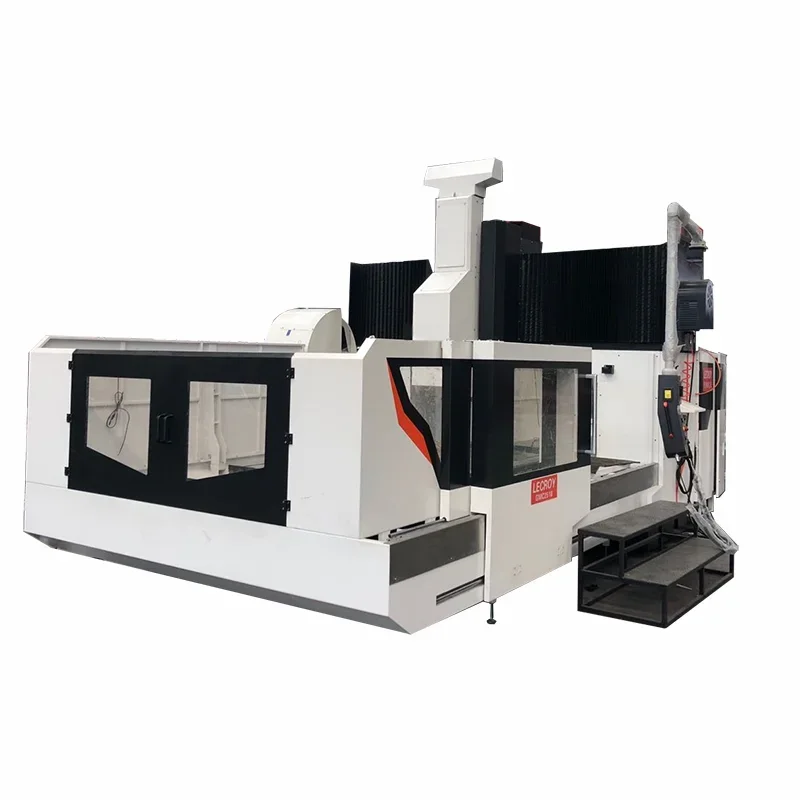
Gantry CNC milling machine is a large CNC machine tool, mainly composed of bed, workbench, beam, column, spindle box, CNC system and other parts. It is characterized by strong structural rigidity, large processing range and high precision, and is suitable for processing large workpieces. Due to the complexity of the equipment and the high-speed rotating tools and heavy workpieces involved in the processing process, operators must strictly abide by the safety operating procedures.
1. Preparation before operation
1.1 Equipment inspection
Before operating the gantry CNC milling machine, the operator must conduct a comprehensive inspection of the equipment to ensure that the equipment is in good working condition. The inspection content includes:
Power supply and electrical system: Check whether the power cord is intact and the electrical system is normal to ensure that there is no short circuit, leakage and other phenomena.
Lubrication system: Check whether the lubricating oil is sufficient, whether the lubrication points are supplied with oil normally, and ensure that all moving parts of the equipment are well lubricated.
Cooling system: Check whether the coolant is sufficient and whether the cooling system is working properly to ensure that the tool and workpiece are fully cooled during processing.
Tools and fixtures: Check whether the tool is firmly installed and whether the fixture clamps the workpiece to ensure that the tool does not fall off or the workpiece does not loosen during processing.
1.2 Environmental inspection
The operating environment is crucial to the safe operation of the equipment. The operator should ensure that the working area is clean, without accumulation of debris, and the ground is free of slippery substances such as oil and water stains. At the same time, ensure that the working area is well ventilated to avoid dust and exhaust gas generated during processing.
1.3 Personal protection
Operators must wear appropriate personal protective equipment, including safety helmets, protective glasses, protective gloves, protective shoes, etc. Especially when performing high-speed cutting or processing heavy workpieces, protective equipment can effectively reduce the occurrence of accidental injuries.
2. Safety precautions during operation
2.1 Starting the equipment
Before starting the gantry CNC milling machine, the operator should ensure that all safety protection devices (such as protective doors, protective covers, etc.) are properly installed and in the closed state. When starting the equipment, the following steps should be followed:
Turn on the power: Press the power switch to start the CNC system.
Zero return operation: After the CNC system is started, perform the machine tool zero return operation to ensure that each axis returns to the initial position.
Check the system status: Check whether the various parameters of the CNC system are normal and ensure that the equipment is in standby mode.
2.2 Workpiece clamping
Workpiece clamping is a key link in the processing process. The operator must ensure that the workpiece is firmly fixed on the fixture to avoid loosening or falling off during processing. The following points should be noted when clamping:
Choose a suitable fixture: Choose a suitable fixture according to the shape and size of the workpiece to ensure that the workpiece will not move during processing.
Uniform force: When clamping the workpiece, force should be applied evenly to avoid deformation of the workpiece or damage to the fixture due to uneven clamping force.
Check the clamping effect: After clamping, the operator should manually check whether the workpiece is firm to ensure that there is no looseness.
2.3 Tool selection and installation
The selection and installation of tools directly affect the processing quality and safety. The operator should select the appropriate tool according to the processing requirements and ensure that the tool is firmly installed. The following points should be noted when installing the tool:
Check the tool status: Before installing the tool, check whether the tool has defects such as wear and cracks to ensure that the tool is in good condition.
Correctly install the tool: According to the requirements of the equipment manual, correctly install the tool to ensure that the tool is firmly connected to the spindle.
Check the tool length: After installing the tool, check whether the tool length meets the processing requirements to avoid processing errors due to the tool being too long or too short.
2.4 Processing parameter setting
Before processing, the operator should reasonably set the processing parameters according to the material and processing requirements of the workpiece, including cutting speed, feed speed, cutting depth, etc. The following points should be noted when setting parameters:
Reference to the processing manual: According to the recommended parameters in the processing manual, adjust according to the actual situation to avoid equipment overload or workpiece damage due to improper parameter setting.
Gradually adjust: During the initial processing, it is recommended to use lower cutting parameters and gradually adjust to the optimal state to avoid equipment damage or workpiece scrapping due to excessive parameters.
2.5 Monitoring during processing
During the processing, the operator should always monitor the operating status of the equipment to ensure the smooth progress of the processing. Monitoring content includes:
Equipment operating status: Observe whether the equipment is running smoothly and whether there is abnormal vibration or noise.
Tool status: Check whether the tool is cutting normally and whether there is wear or chipping.
Workpiece status: Observe the processing of the workpiece to ensure that the processing size and surface quality meet the requirements.
2.6 Emergency handling
During the processing, if an emergency occurs (such as equipment abnormality, tool breakage, loose workpiece, etc.), the operator should immediately press the emergency stop button to stop the equipment and report it to the relevant person in charge for handling. Do not manually intervene during the operation of the equipment to avoid personal injury or equipment damage.
3. Safety matters after operation
3.1 Equipment cleaning
After the processing is completed, the operator should clean the equipment and work area in time, remove chips, coolant and other debris, and keep the equipment clean. The following points should be noted when cleaning:
Turn off the power: Before cleaning the equipment, be sure to turn off the power and ensure that the equipment is in a power-off state.
Use special tools: Use special cleaning tools to clean chips and coolant, and avoid using compressed air to blow directly to prevent chips from splashing and causing damage.
Check the equipment status: During the cleaning process, check whether the various parts of the equipment are damaged or worn, and perform maintenance or replacement in time.
3.2 Equipment maintenance
Regular maintenance is the key to ensuring the long-term and stable operation of the gantry CNC milling machine. Operators should regularly maintain and maintain the equipment in accordance with the requirements of the equipment manual, including inspection and maintenance of the lubrication system, cooling system, electrical system, etc. The following points should be noted during maintenance:
Regularly replace lubricating oil: According to the use of the equipment, regularly replace the lubricating oil to ensure that all moving parts are well lubricated.
Check the electrical system: Regularly check the wiring and components of the electrical system to ensure that there is no looseness, aging, etc.
Record maintenance: After each maintenance, the maintenance content and equipment status should be recorded in detail for subsequent tracking and management.
3.3 Workpiece and tool management
After processing, the operator should store the workpiece and tool properly to avoid deformation of the workpiece or damage to the tool due to improper storage. The following points should be noted during storage:
Classification and storage of workpieces: According to the material and size of the workpiece, the workpieces should be stored in categories to avoid collision or deformation under pressure.
Tool cleaning and maintenance: Before storing the tool, the tool should be cleaned and rust-proof oil should be applied to ensure that the tool is in good condition.
Record processing data: After each processing, the processing data and workpiece quality should be recorded for subsequent analysis and improvement.
The safe operation of the gantry CNC milling machine is the key to ensuring the normal operation of the equipment and the safety of the operator. The operator must strictly abide by the safety operating procedures, from equipment inspection, workpiece clamping, tool installation to monitoring during the processing, every link cannot be ignored. Only under the premise of ensuring safety can the processing capacity of the gantry CNC milling machine be fully utilized to improve production efficiency and product quality. Through the introduction of this article, it is hoped that the operator can have a deeper understanding of the key points of safe operation of the gantry CNC milling machine, and apply them in actual work to ensure the safe operation of the equipment and their own safety.


About us
We are ISO9000 certified enterprise, some products has been CE certified and exported to Europe. Totally we have exported to more than 50 countries and had dealers and partner in about 20 countries. BOFENG not only supply machines, but also supply complete solutions and special customized machines.


Product
Contact us
 +86 13771407736 / +86-510-85164849
+86-510-85121486
 sales@wxbofeng.com / david@wxbofeng.com
No.555-1023,Liangqing Road, Binhu District, Wuxi, China

 ZF1012821391
 1012821391
